How to Use Mock Tests Before Your Boards: Sit, Mark, Learn, Repeat
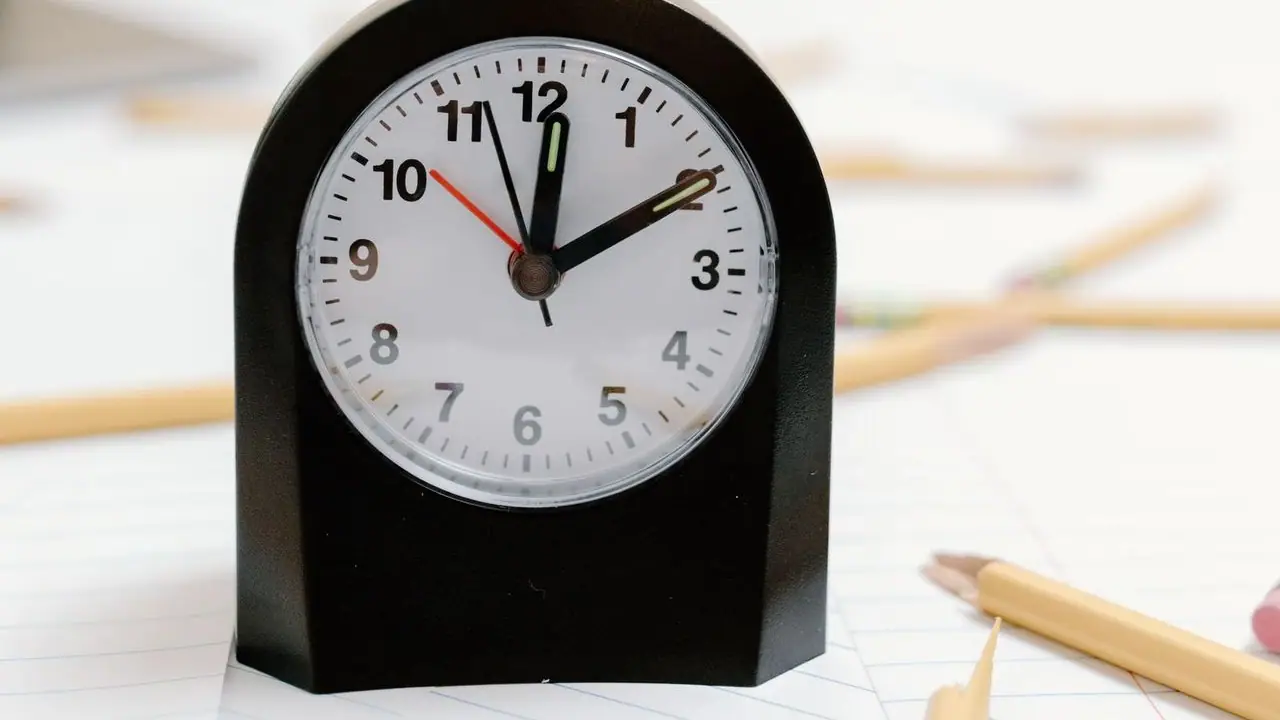
A mock test is not a verdict on your child or on you. It is a rehearsal that shows what to fix while there is still time. The students who gain the most are not those who sit the most papers. They are the ones who learn the most from each one. Here is how to get that value.
When to start
Begin once you have gone through the syllabus at least once, which for most students is about six to eight weeks before the exam. Before that, chapter-wise practice is more useful. After that, a full paper every week or two is plenty, and in the last fortnight it can be more often.
Sit it like the real exam
Choose a quiet place, keep your phone away and use only what you will be allowed in the hall. Set a timer for the real duration of the paper, and stop when it ends. If you want to finish unfinished questions, do it afterwards in a different colour, so that you can see how much you managed within the time.
Mark it strictly
Use the marking scheme or a teacher’s help, and give marks only for what the scheme rewards. It is tempting to give yourself the benefit of the doubt, but an honest mark is much more useful than a kind one. Note the marks per section as well as the total.
Sort every mistake into three bins
- Concept gaps: you did not know or did not understand the topic. The cure is to relearn it and practise questions on it.
- Careless slips: you knew it but made an error, such as a sign, a unit or a copying mistake. The cure is a checklist and slower, neater working.
- Timing: you knew it but ran out of time. The cure is timed practice and a better order of attempting questions.
Turn the result into a plan
Pick the biggest bin and the top three topics in it, and put them in your next two weeks. Write the right method for each mistake in your error log. Then sit the next mock and check whether those same mistakes have gone. That is how a mock test becomes progress.
Handling a disappointing score
A low score early on is useful, because it shows what to change. Look at the pattern rather than the total. A single weak subject, or a single type of mistake, is much easier to fix than it looks. Parents can help most by staying calm and asking what the paper showed, instead of asking about the score.
Questions Students and Parents Ask
How many mock tests should I take before the boards?
There is no perfect number. Many students do well with a full paper in each subject every week or two in the last couple of months. Taking more matters less than reviewing each one carefully.
Should I sit mock tests for subjects I am already strong in?
Yes, but less often. Use most of your time for the subjects and sections where you lose the most marks.
My mock score is lower than I expected. Should I worry?
Not yet. Look at where the marks were lost and fix the biggest group first. Scores tend to rise once the main mistakes are dealt with.
Try a board-pattern paper with feedback: register for a free mock test or ask us a question on WhatsApp.
General guidance for students and parents. Always follow the latest instructions from your school and your board.