ICSE Class 10 Pre-Boards: A Six-Week Plan That Fits a Real School Week
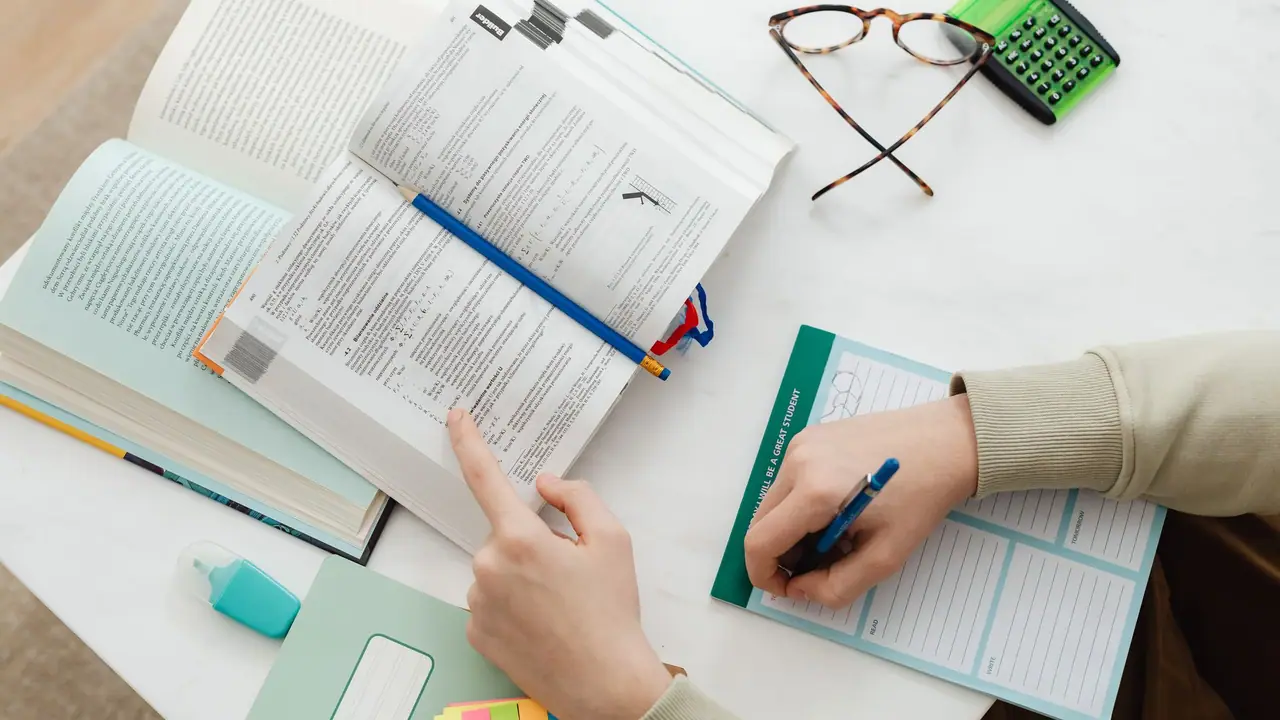
Most ICSE students begin pre-board preparation by opening the thickest book and starting from page one. By the third week they are tired, the last chapters are untouched and the weak ones are still weak. A plan with six small, clear jobs works better. This is the one we suggest to Class 10 students in Kolkata, and you can bend it around your own school timetable.
Spend one evening mapping the syllabus
Take the syllabus for each subject and list the chapters on a single page. Next to every chapter put a colour: green if you could teach it to a friend, amber if you would manage after a refresher, red if you quietly hope it does not come. Be strict with yourself, because the next five weeks follow these colours.
Use the current syllabus and specimen papers from the CISCE website rather than last year’s notes, and ask your teacher how much of the syllabus your school’s pre-board will cover.
Weeks 1 and 2: go after the red and amber chapters
This is where most of your marks are hiding, and it is the part students avoid because it feels uncomfortable. Read the concept once, work through the textbook examples, then try questions without peeking at the solution.
When you get one wrong, write it in an error log: the question, what went wrong, and the right method in a line or two. After a fortnight that notebook is the most useful thing you own.
Short and frequent beats long and rare. Ten or fifteen minutes with formulae, definitions and equations every day will stay with you far longer than one three-hour session on Sunday.
Weeks 3 and 4: start sitting timed papers
Now move from chapters to full papers, one or two a week in the subjects that carry the most weight for you. Sit them the way you will in the hall: no phone, no notes, clock running.
Many ICSE papers have a compulsory section and a section where you choose your questions, so practise choosing. Spend the first few minutes deciding which questions you can score on and leave the rest. Students who skip this step often start with a hard question and lose ten minutes to it.
After each paper, mark it honestly against a marking scheme, or sit with a teacher and go through it step by step. Then look at where the time went and decide what the next paper should do differently.
Week 5: pick up the small marks
By now understanding is rarely the problem. Presentation is. A few habits quietly add marks in each subject:
- Mathematics: show every step. Method marks are given even when the final answer is wrong.
- Physics and Chemistry: units with every numerical answer, labelled diagrams, balanced equations with conditions.
- Biology: fully labelled diagrams and the exact terms from the textbook.
- Languages and humanities: a two-line plan before you write, and a close eye on the word limit.
Week 6: revise lightly and protect your sleep
Go through your error log and formula pages, solve one last paper early in the week, and then stop adding new material. A rested student who has revised everything once usually does better than a tired one who has revised it twice. Sleep properly before every paper.
Questions Students and Parents Ask
How many hours should an ICSE Class 10 student study before the pre-boards?
There is no magic number, and it depends on school hours and tuition. Many students do well with three to four focused hours on a school day and a longer block at weekends, provided that time goes to weak chapters and timed practice rather than re-reading what they already know.
Should I solve previous years’ ICSE papers?
Yes, from about the third week. They show how questions are framed and how marks are split, and they teach you to choose well in the choice section. Use the CISCE specimen papers alongside them, since patterns can change.
What if I have too many weak chapters to finish in six weeks?
Rank them by marks. Fix the heavy ones first and the small ones later. It is better to be solid across most of the paper than shaky across all of it. Our syllabus guide shows how marks are spread across units, which makes the ranking easier.
If you would like to see where you stand before you begin, take our free pre-board mock test. It is checked paper by paper, and we go through the result with you.
General guidance for students and parents. Always follow the latest instructions from your school and your board.