How Parents Can Help During Board-Exam Months (Without Adding Pressure)
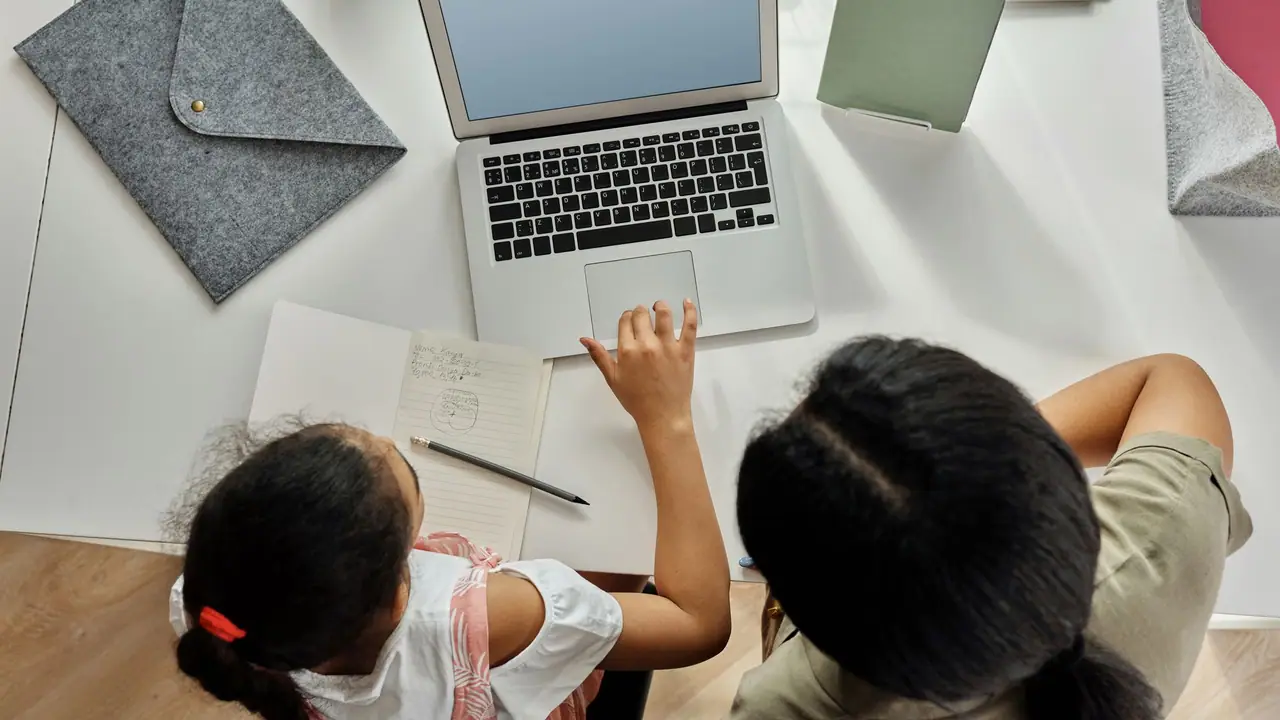
Parents matter more than they think during the board-exam months, often in quiet ways. The job is not to study with your child or to supervise every hour. It is to keep home steady enough that they can study well. Here is what tends to help.
Agree on a routine together
Sit down with your child and agree on study blocks with short breaks, and a fixed time to sleep. A routine your child helped design is far more likely to be followed than one handed down.
Keep phones and screens out of the bedroom at night. It sounds small, but it often makes the biggest difference to sleep.
Sleep, meals and a little movement
Students who sleep well and eat regular meals concentrate better and remember more. Most teenagers function best with about eight hours of sleep or more. A short walk or some play every day, even when time is tight, helps them stay fresh.
Talk about effort, not only marks
There is a big difference between asking “How much did you score?” and “What did you learn today?”. The second invites a conversation. The first invites defence.
Try to avoid comparisons with cousins, friends or last year’s topper. Children hear them as “you are not enough”, even when you mean “you can do it”. Praise consistency instead. The child who studies a little every day is quietly building the result.
Use mock tests as practice, not as a verdict
A mock test is useful because it shows what to fix while there is still time. When the result comes, look at the mistakes together and stay calm. Ask whether each one was a concept gap, a careless slip or a timing problem. Each has a different remedy, and none of them is a reason to panic.
Stay in touch with the teachers
A short conversation with the teachers once a month tells you what to focus on and saves guesswork. If your child seems unusually anxious or tired, tell them. Teachers can often adjust the plan in ways that parents cannot.
Signs that deserve attention
Constant headaches, a lasting loss of appetite, sleeping far too little or too much, withdrawing from friends, or talk of feeling hopeless should be taken seriously. Speak to the school counsellor or your family doctor. Asking for help early is a sign of strength, not a failure.
On the day of the exam
Pack the admit card, pens and water the evening before, plan the route and aim to reach the centre early. A light, familiar breakfast is better than anything new. Then let your child walk in without a last-minute lecture. A calm “You have prepared, go and write” is enough.
Questions Students and Parents Ask
How many hours of sleep does a board-exam student need?
Most teenagers do best with about eight hours or more. Cutting sleep to study longer usually backfires, because memory and concentration drop the next day.
Should I sit with my child while they study?
Usually not. Being nearby and available is helpful. Hovering is not. Offer to listen or to quiz them if they ask.
My child is very anxious about the exams. What should I do?
Listen first, without rushing to fix it. Keep the routine steady, make sure they are sleeping and eating, and talk to their teachers or the school counsellor. If the anxiety is intense or lasts, consult a doctor.
How should we use mock test results?
As a to-do list, not a grade. Go through the mistakes together, sort them into concept, carelessness and timing, and plan the next two weeks around the biggest group.
If you would like your child to try a board-pattern paper with proper feedback, you can register for a free mock test, or simply ask us a question on WhatsApp.
General guidance for students and parents. Always follow the latest instructions from your school and your board.